
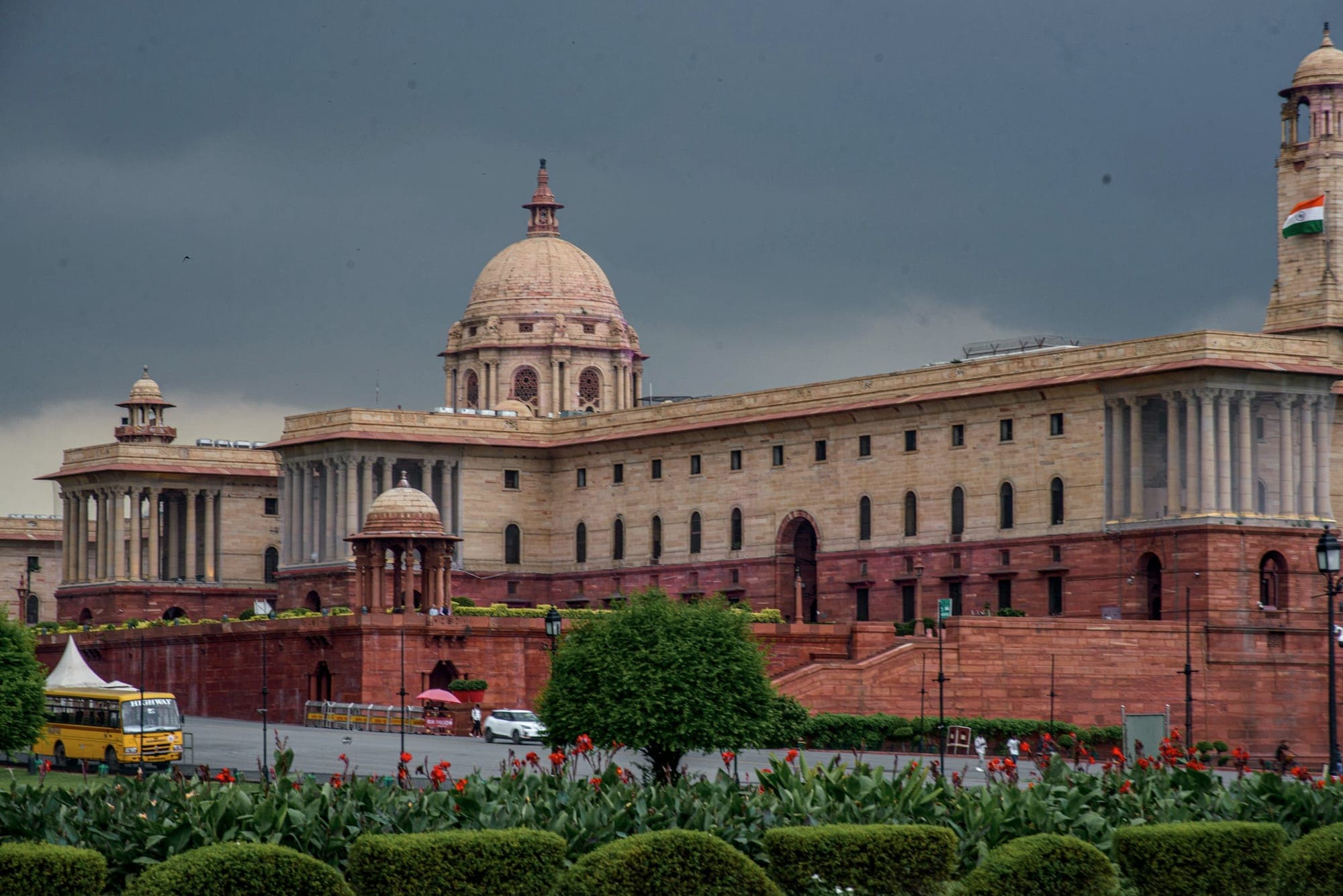
People look for a Chhattisgarh High Court lawyer when a matter has gone beyond the district courts, or when the State or a public authority is itself the problem. The High Court of Chhattisgarh was established on 1 November 2000 as the country's 19th High Court and sits at Bodri, Bilaspur. It hears writ petitions from across the State, together with appeals, revisions, bail and quashing matters from every district.
Writ petitions in the High Court
Article 226 of the Constitution allows the High Court to issue writs to enforce fundamental rights and other legal rights, mainly against the State, its departments and bodies performing public functions. A writ petition is not an appeal on the facts; the Court asks whether the authority acted within its powers, fairly and reasonably. It usually expects you to use an effective alternative remedy first, unless a fundamental right, natural justice or lack of jurisdiction is in issue.
- Habeas corpus: to produce a person held in illegal detention.
- Mandamus: to direct a public authority to perform a duty it has failed to perform.
- Certiorari: to quash an order passed without jurisdiction, in breach of natural justice or with an error apparent on the record.
- Prohibition: to stop a lower court or tribunal from acting beyond its jurisdiction.
- Quo warranto: to question a person's right to hold a public office.
Under Article 227, the High Court also supervises all courts and tribunals in the State, and orders of civil courts and tribunals are often challenged in this jurisdiction. There is no fixed limitation period for writs, but unexplained delay can defeat a petition.
- We examine the order or inaction complained of, the rights affected and whether an alternative remedy must be used first.
- Where appropriate, a representation is made to the authority, so that its refusal or silence is on record.
- The petition is drafted with the relevant documents, supported by affidavit, and filed with any application for interim relief.
- At admission, the Court may issue notice to the respondents and pass interim orders.
- The respondents reply, the petitioner files a rejoinder, and the matter is heard finally.
Service matters
Service disputes of State Government and public sector employees in Chhattisgarh commonly come to the High Court by writ petition: selection and appointment, seniority and promotion, pay fixation, transfers, disciplinary action, termination, regularisation, and pension and retiral dues. Central Government employees ordinarily approach the Central Administrative Tribunal first. A representation to the department, and its reply, often form the foundation of the case.
Bail, quashing and criminal appeals
The High Court hears anticipatory bail under Section 482 of the BNSS, regular bail under Section 483, and petitions to quash FIRs and complaints under Section 528 (formerly Section 482 CrPC). It also hears appeals against convictions by Sessions Courts, appeals against acquittals and criminal revisions, and can suspend a sentence and grant bail while an appeal is pending. Our Hindi guide on anticipatory bail and our criminal defence page explain the earlier stages.
Civil appeals, writ appeals, contempt and the Supreme Court
The High Court hears first appeals from higher-value civil decrees, and second appeals under Section 100 of the Code of Civil Procedure, which lie only on a substantial question of law. An order of a single judge in a writ petition can generally be taken in a writ appeal to a Division Bench. Where an authority wilfully disobeys the Court's order, a contempt petition can be filed under the Contempt of Courts Act, 1971, ordinarily within one year.
Judgments of the High Court can be challenged before the Supreme Court by a special leave petition under Article 136. The Supreme Court grants leave at its discretion, usually where a substantial question of law or a grave injustice is shown. Our Hindi article on the hierarchy of courts in India explains how these levels fit together.
Working with the High Court at Bilaspur
Matters from Raipur and every other district are filed and heard at Bodri. Case status, cause lists and judgments are published on the Court's official website (opens in a new tab). If you expect the other side to approach the Court, a caveat can be lodged so that you are heard before any interim order is passed; under Section 148A of the Code of Civil Procedure it remains in force for ninety days.
The firm has an office on High Court Road in Bilaspur; see the Bilaspur office page for directions, or contact the firm to discuss a High Court matter.
What the practice handles
- Writ petitions under Article 226
- Petitions under Article 227 against orders of courts and tribunals
- Habeas corpus petitions
- Service matters of State Government and PSU employees
- Anticipatory and regular bail in the High Court
- Quashing petitions under BNSS Section 528
- Criminal appeals, revisions and suspension of sentence
- Civil first and second appeals
- Writ appeals before Division Benches
- Contempt petitions
- Caveats and urgent interim applications
- Special leave petitions to the Supreme Court under Article 136
Where these matters are heard
- High Court of Chhattisgarh at Bodri, Bilaspur, single and Division Benches
- Supreme Court of India, New Delhi
- Central Administrative Tribunal, for central government employees
- Tribunals and authorities whose orders are challenged in writ jurisdiction
Questions about High Court Writs & Appeals
What is a writ petition in the High Court?
A writ petition under Article 226 of the Constitution asks the High Court to direct or correct the State, its departments or other public authorities. The Court can issue writs of habeas corpus, mandamus, certiorari, prohibition and quo warranto, and other directions. It examines whether the authority acted lawfully, fairly and within its powers, rather than rehearing the facts as an appeal would.
How do I check Chhattisgarh High Court case status?
Case status, cause lists, orders and judgments of the High Court of Chhattisgarh are published on its official website, highcourt.cg.gov.in, where you can search using the case number or party details. The listing of a case and the orders passed on each date are recorded there, although a certified copy remains the document to use in any further proceedings.
Can I file a writ petition without first going to a lower authority?
The High Court usually expects you to use an effective alternative remedy, such as a statutory appeal, before filing a writ petition. It may entertain a petition directly where a fundamental right is infringed, the authority acted without jurisdiction, the principles of natural justice were breached, or the validity of a law is challenged. Whether an exception applies depends on the facts.
How are service matters of government employees decided?
Service disputes of State Government and public sector employees in Chhattisgarh commonly reach the High Court by writ petition, covering promotion, seniority, pay, transfers, disciplinary action and pension. Central Government employees ordinarily go to the Central Administrative Tribunal first. The Court looks at the service rules, the record of the department's decision and whether that decision was fair and lawful.
What is a special leave petition?
A special leave petition asks the Supreme Court, under Article 136 of the Constitution, for permission to appeal against a judgment or order of any court or tribunal in India, including the High Court. The Supreme Court grants leave at its discretion, usually where a substantial question of law or a grave injustice is shown. If leave is granted, the matter is heard as an appeal.
What can I do if a government department ignores a High Court order?
If an authority wilfully disobeys an order of the High Court, you can file a contempt petition under the Contempt of Courts Act, 1971. The Court may issue notice to the officers responsible and direct compliance. Contempt proceedings must ordinarily be initiated within one year of the alleged disobedience, so a written reminder to the department followed by prompt action is advisable.
Where does the Chhattisgarh High Court sit?
The High Court of Chhattisgarh was established on 1 November 2000 as the 19th High Court in India. It sits at Bodri, Bilaspur, and hears matters from every district of the State, including Raipur. Writ petitions, appeals and bail matters from all districts are filed and heard there.
A question that is not answered here? Send it to the firm.
This page describes the law in general terms as of 24 September 2026. It is not legal advice. The outcome of any matter depends on its facts, and the firm does not guarantee results.