
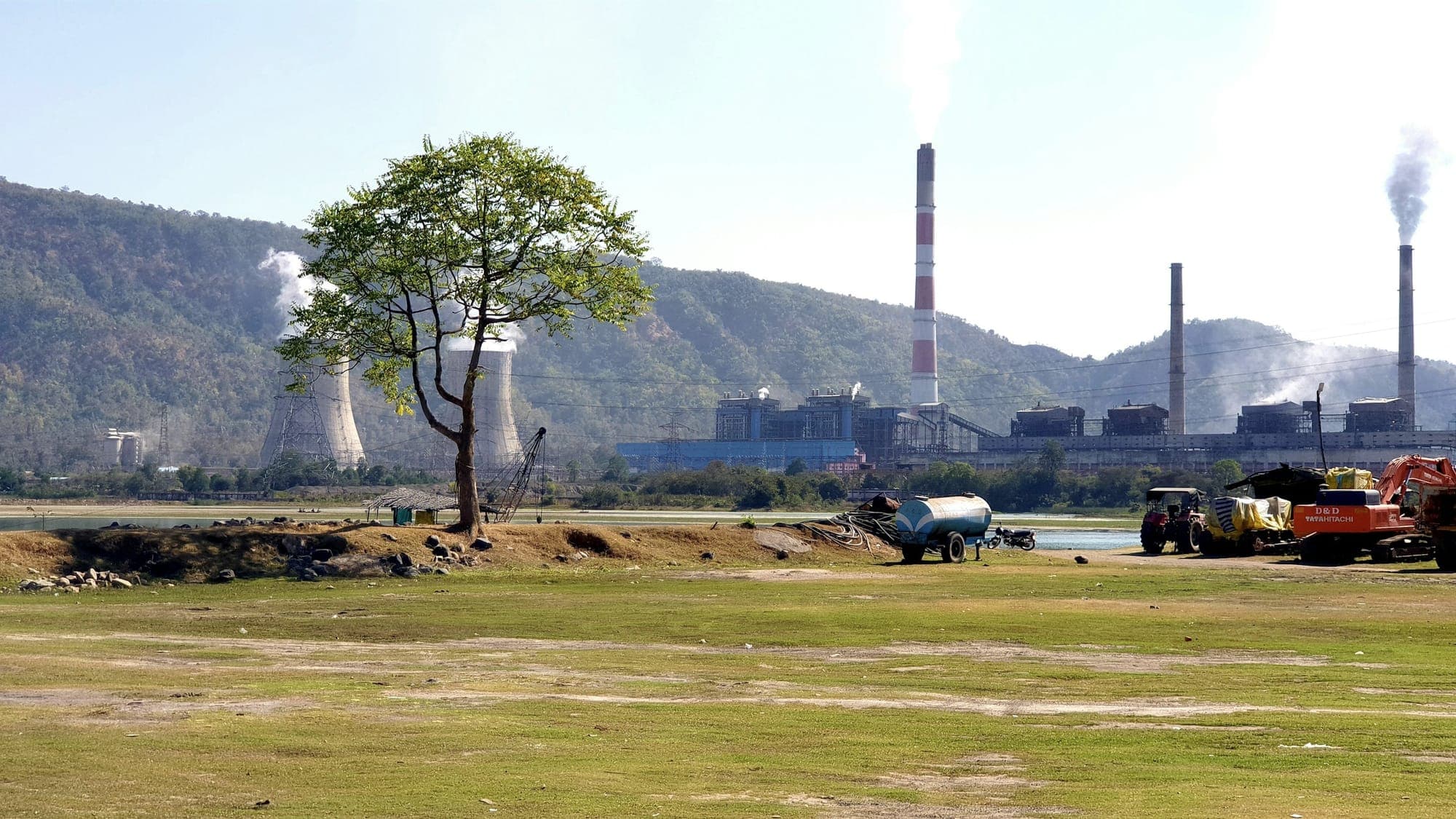
A plant, a mine or a transmission line passes through the same stages: land, approvals, contracts, finance, construction and decades of operation. An infrastructure lawyer's task is to make the documents at each stage fit together, so that a risk the EPC contractor has excluded is not left uncovered in the power purchase agreement or the loan.
Power project contracts, concessions and PPPs
EPC contracts allocate design, cost and time risk: scope, the contract price and how it can change, delay and performance liquidated damages, performance security, taking-over tests and defects liability. O&M contracts set availability and performance standards for the operating years, and supply and erection packages have to line up with both. Liquidated damages are governed by Section 74 of the Indian Contract Act, 1872, which caps recovery at the amount named and allows reasonable compensation within it.
Public-private partnerships add a concession agreement with a government authority, often based on a model concession for build-operate-transfer, hybrid annuity or toll-operate-transfer projects, with termination payments, change in law and lenders' substitution rights. Contracts with the State are made in the name of the Governor under Article 299 of the Constitution, so the signatory's authority and the approvals behind it are checked before signing.
Power purchase agreements and energy law
Under the Electricity Act, 2003, a generating station needs no licence, though larger hydro schemes need the Central Electricity Authority's concurrence; the sale of power, by contrast, is regulated. A tariff is either determined by the regulatory commission under Section 62 or adopted under Section 63 after competitive bidding. Disputes between generating companies and distribution licensees go to the Chhattisgarh State Electricity Regulatory Commission, or to the Central Commission in matters within Section 79, and either may refer them to arbitration. Energy work also covers:
- captive power plants, which must meet the ownership and consumption tests in the Electricity Rules, 2005
- open access, cross-subsidy surcharge and additional surcharge
- change in law and force majeure claims, and late payment surcharge under the 2022 rules
- solar and other renewable projects, including green energy open access
- tariff petitions and appeals to the Appellate Tribunal for Electricity
Mining law, land and project finance
Major minerals are governed by the Mines and Minerals (Development and Regulation) Act, 1957, under which most mining leases have been granted by auction since the 2015 amendment; coal blocks are auctioned under the Coal Mines (Special Provisions) Act, 2015 and the MMDR Act. A lease is only the start: the holder needs an approved mining plan, environmental clearance, forest clearance where forest land is involved and State Board consents, and contributes to the District Mineral Foundation. Minor minerals such as sand and building stone are regulated by State rules.
Land is often the hardest part. Acquisition by the State follows the Right to Fair Compensation and Transparency in Land Acquisition, Rehabilitation and Resettlement Act, 2013, which requires a social impact assessment and, for private companies and public-private partnerships, the prior consent of 80% and 70% of affected families respectively. In Scheduled Areas, which cover a large part of Chhattisgarh, the Gram Sabha or Panchayat must be consulted before land is acquired, and Section 165(6) of the Chhattisgarh Land Revenue Code, 1959 restricts transfers of land held by members of notified aboriginal tribes.
Lenders take security over project assets, contracts and shares, with escrow of revenues and direct agreements giving them step-in rights, and these documents are aligned with our banking and finance practice. Clearances are coordinated with our environment practice, and project disputes, often referred to arbitration, with our arbitration practice.
Project sponsors, contractors and lenders can reach the firm at its Bilaspur office or in Raipur.
What the practice handles
- EPC, supply and erection, and O&M contracts for power, steel, cement and mineral projects
- Concession agreements, PPP structures and bid documents
- Power purchase agreements, captive power arrangements and open access
- Tariff, change in law and payment disputes before the State and Central Commissions
- Mining lease auctions, mining plans and related approvals
- Coal block allocation and development agreements
- Land acquisition, rehabilitation and resettlement, and title review of project land
- Security documents and lenders' direct agreements for project finance
- Construction and project claims, including arbitration
Where these matters are heard
- Chhattisgarh State Electricity Regulatory Commission and the Central Electricity Regulatory Commission
- Appellate Tribunal for Electricity, with a further appeal to the Supreme Court
- State mining authorities, the Indian Bureau of Mines and the Ministries of Mines and Coal
- Collectors and the Land Acquisition, Rehabilitation and Resettlement Authority
- Arbitral tribunals and the High Court of Chhattisgarh
Questions about Infrastructure & Energy
What makes a power plant a captive generating plant?
Under Rule 3 of the Electricity Rules, 2005, captive users must hold at least 26% of the ownership of the plant and together consume at least 51% of the electricity it generates in a year. If the tests are met, power carried to the captive user through open access is free of cross-subsidy surcharge; if they are not, the plant is treated as supplying power as a generating company.
Who decides disputes under a power purchase agreement?
Disputes between a generating company and a distribution licensee are decided by the appropriate Electricity Regulatory Commission, which may refer them to arbitration. An arbitration clause in the agreement does not by itself displace the Commission's jurisdiction. Appeals lie to the Appellate Tribunal for Electricity within forty-five days, and from there to the Supreme Court.
How are mining leases granted now?
For most major minerals, mining leases and composite licences are granted through auctions conducted by the State Government under the MMDR Act, and since the 2023 amendment the Central Government auctions certain critical minerals. Coal blocks are auctioned by the Ministry of Coal. Minor minerals follow State rules, and in Scheduled Areas the Gram Sabha or Panchayat must recommend a minor mineral concession before it is granted.
Is landowners' consent needed when land is acquired for a private project?
Yes. When the State acquires land for a private company under the 2013 Act, the prior consent of at least 80% of affected families is required, and 70% for a public-private partnership project. A social impact assessment, compensation under the Act's schedules and a rehabilitation and resettlement scheme follow. Land bought directly from owners raises its own title and revenue-law questions.
A question that is not answered here? Send it to the firm.
This page describes the law in general terms as of 24 September 2026. It is not legal advice. The outcome of any matter depends on its facts, and the firm does not guarantee results.